A security guard is often the first person residents, visitors, employees, and customers see when they enter a property. But professional security is about much more than wearing a uniform and standing at a gate.
Proper security guard training helps personnel understand their responsibilities, respond appropriately to different situations, and maintain a professional standard of service.
Here are some of the key areas where training makes a difference.
1. Access Control and Visitor Management
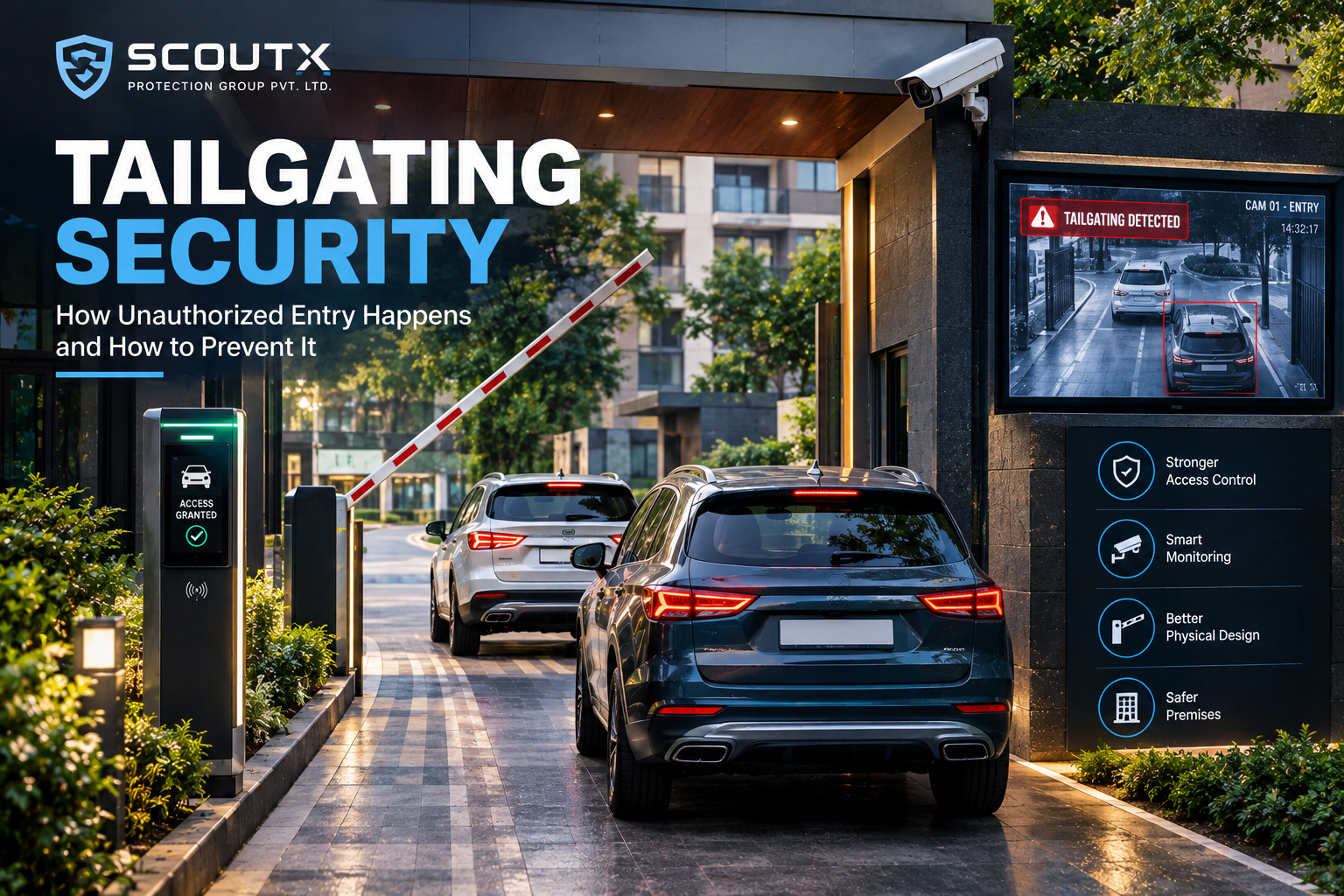
One of the most important responsibilities of a security guard is controlling access to a property.
Trained guards learn how to verify visitors, manage entry and exit procedures, handle delivery personnel, and identify situations that may require additional attention.
The goal is to maintain security without creating unnecessary inconvenience for residents or authorized visitors.
2. Alertness and Observation
Security guards need to remain attentive throughout their shift.
Training helps guards understand what to look for, recognize unusual activity, monitor important areas, and report potential security concerns.
Good observation can help identify a problem before it becomes a serious incident.
3. Emergency Response
Security guards may be among the first people to respond when an emergency occurs.
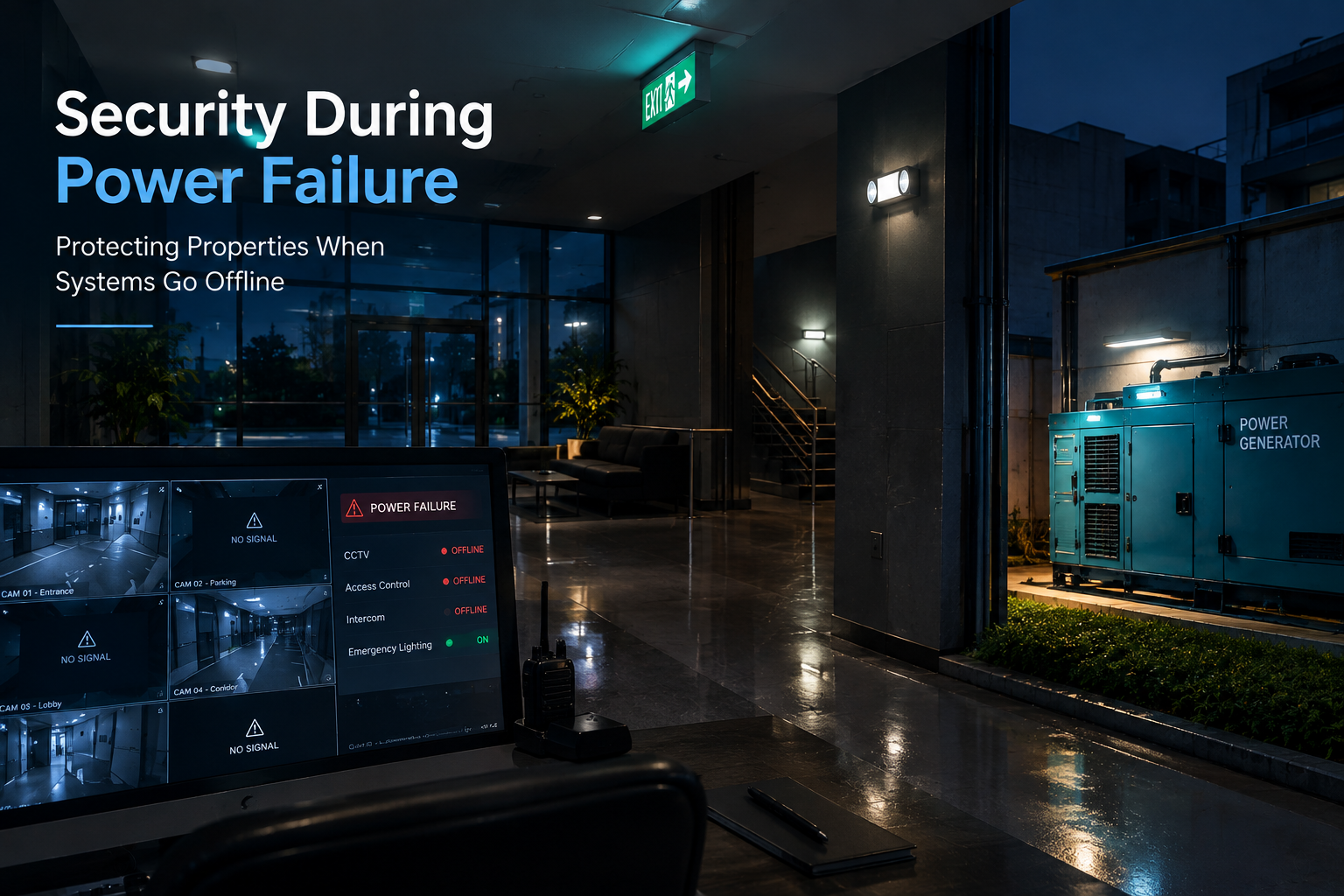
Training can prepare them to follow established procedures during situations such as fire, medical emergencies, unauthorized entry, suspicious activity, or other incidents.
Just as important, guards should know when to escalate the situation and contact the appropriate emergency services or management.
4. Communication Skills
A professional guard must communicate clearly and respectfully.
Whether speaking with a resident, visitor, supervisor, or emergency responder, good communication helps prevent confusion and allows information to reach the right person quickly.
Training should therefore include professional communication and incident reporting.
5. Discipline and Professional Conduct
Security personnel represent the security agency as well as the property where they are deployed.
Training reinforces important habits such as punctuality, proper uniform, professional behaviour, following instructions, and maintaining alertness during duty hours.
These small details can have a significant impact on the overall quality of security service.
6. Patrolling and Incident Reporting
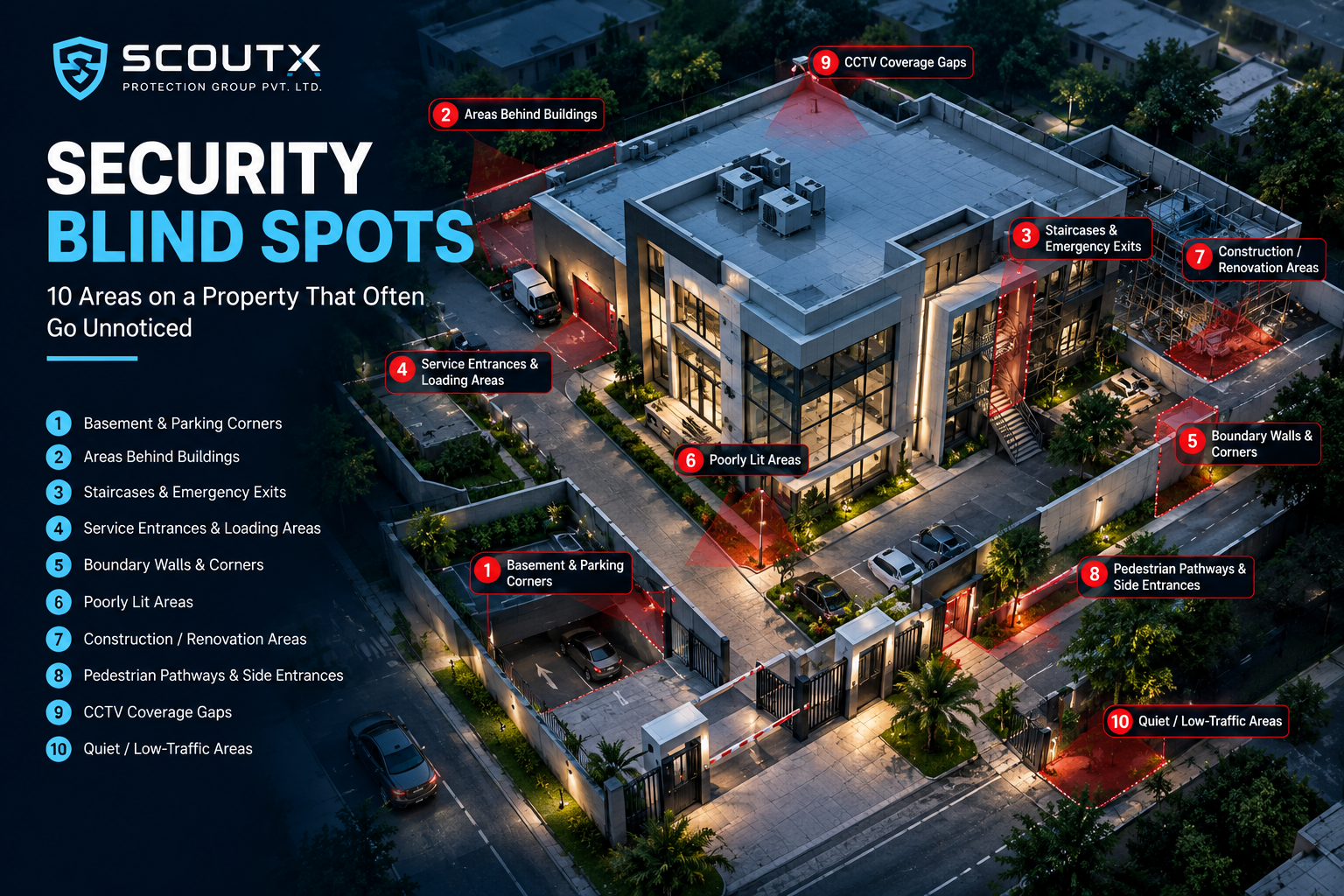
Security is not limited to the main entrance.
Depending on the property, guards may need to conduct regular patrols and monitor different areas for unusual activity or safety concerns.
They should also know how to properly report incidents so that management has a clear record of what happened.
What Should a Professional Security Guard Know?
While training requirements can vary depending on the assignment, a well-prepared guard should understand:
• Access control and visitor management
• Patrolling procedures
• Emergency response
• Incident reporting
• Communication and professional conduct
• Basic security awareness
• Site-specific rules and responsibilities
Final Thoughts
A professional security guard is not simply someone who is present at the gate. Training gives guards the knowledge, discipline, and confidence needed to perform their responsibilities effectively.
For residential societies, offices, commercial properties, and other premises, choosing a security agency that takes guard training seriously can make a meaningful difference to the overall security setup.
Good security starts with good people — and good people need proper training.