Access Control and Entry Management
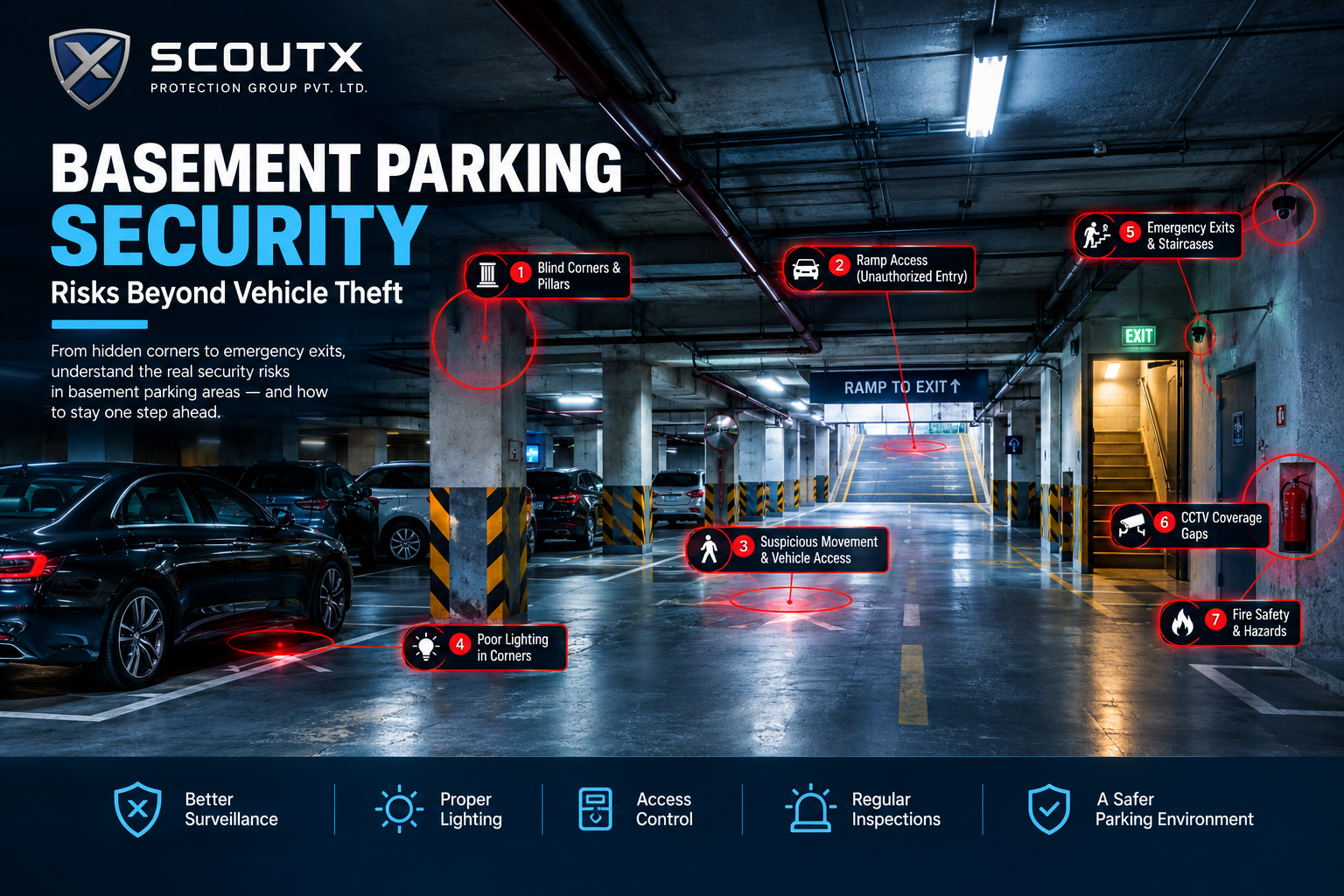
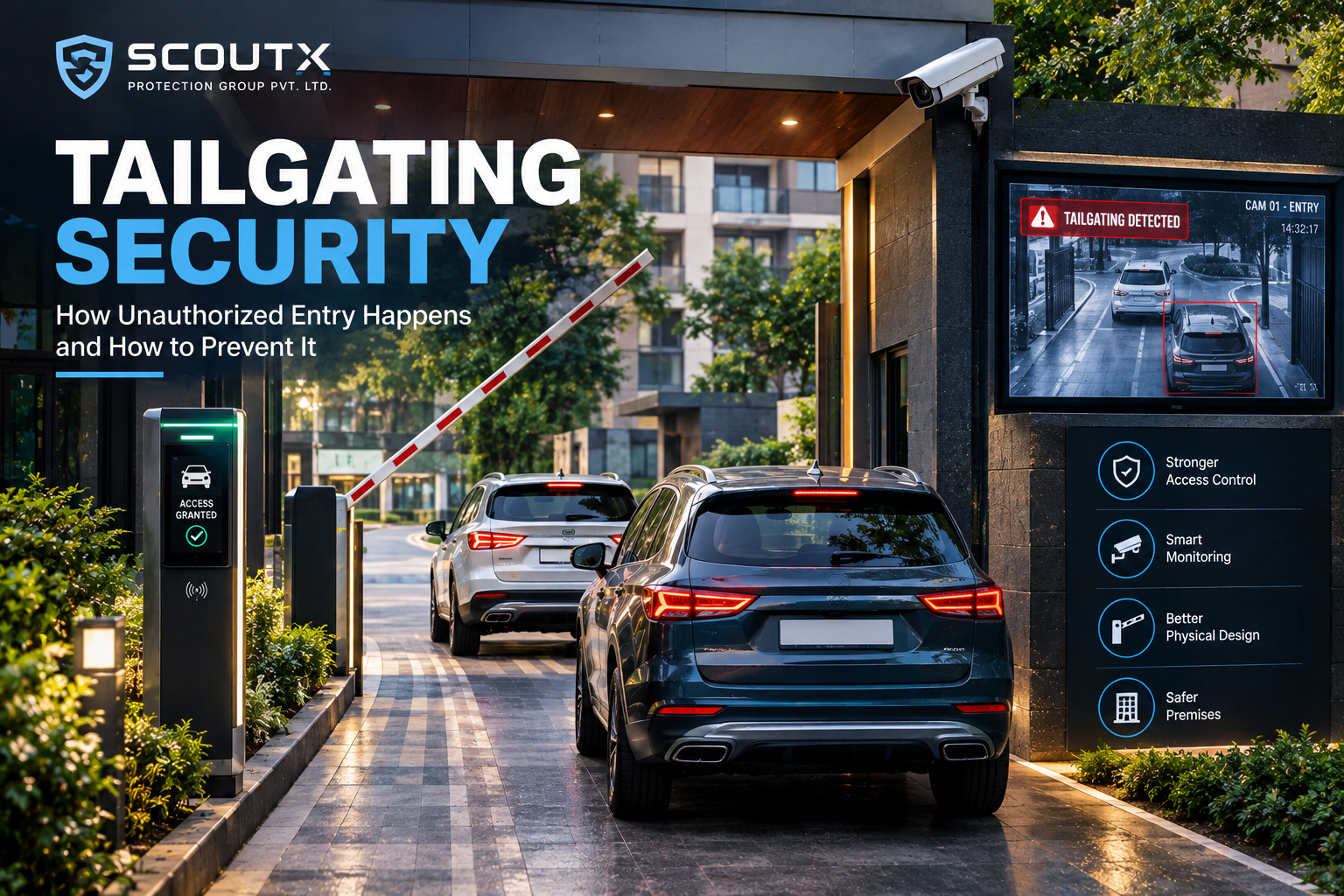
One of the primary responsibilities of a security guard is controlling access to the property. Guards check visitors, monitor entry and exit points, and help ensure that only authorized people enter restricted areas.
A professional guard should follow the property's security procedures while maintaining a polite and professional approach.
Visitor and Vehicle Management
Security guards often manage visitors, delivery personnel, contractors, and vehicles entering or leaving the premises.
They may verify visitor details, guide vehicles, maintain entry records, and contact residents or authorized personnel when required.
The aim is to maintain effective security without causing unnecessary inconvenience.
Regular Patrolling
Security guards may be required to patrol designated areas of a property at regular intervals.
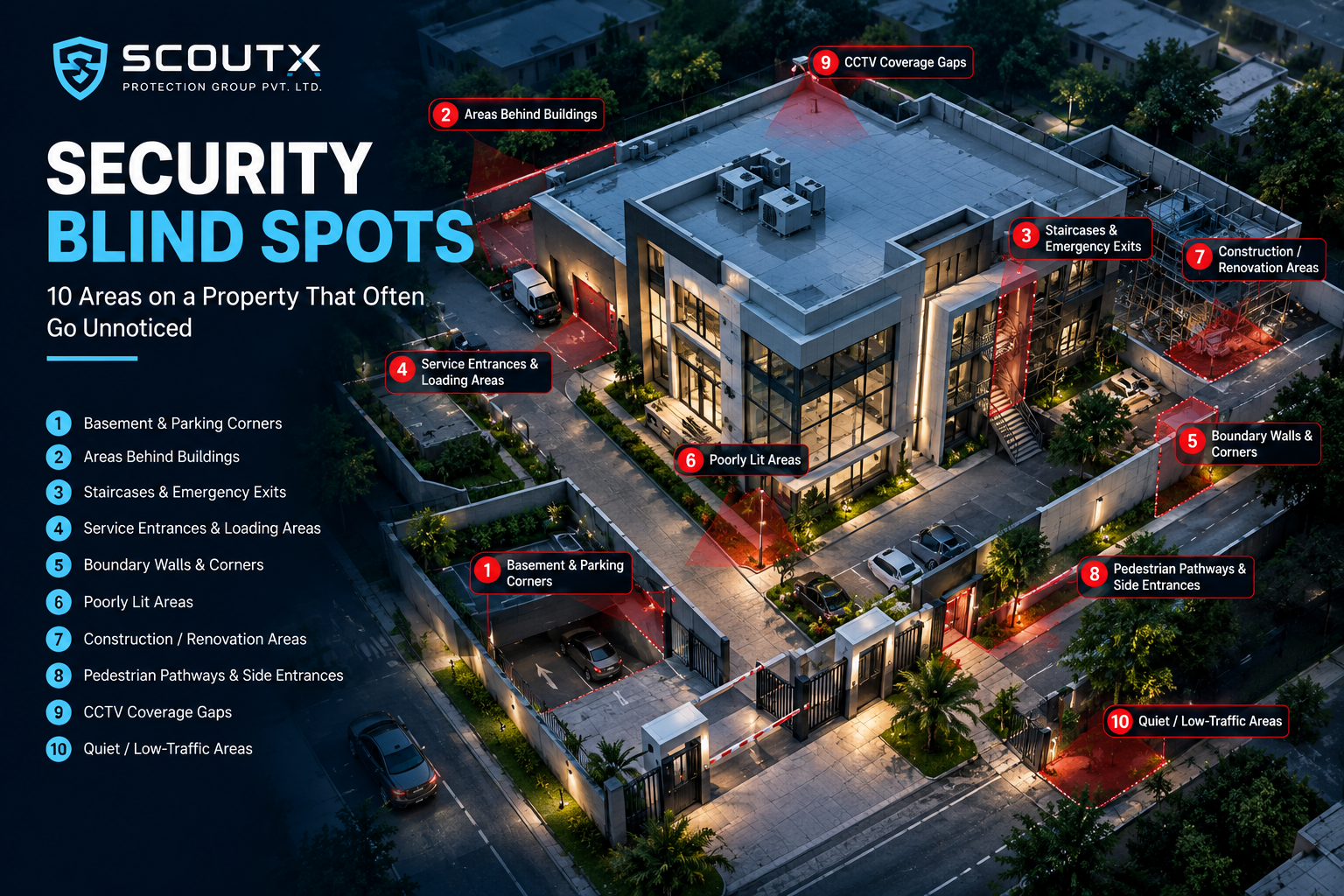
During patrols, they look for unusual activity, unauthorized access, safety concerns, or anything that may require attention.
Regular patrolling is particularly important for large residential societies, commercial properties, warehouses, and industrial premises.
Monitoring CCTV and Security Systems
Where CCTV and other security systems are available, guards may monitor them as part of their assigned duties.
However, CCTV is only a tool. A trained guard can observe the situation, respond to alerts, and report unusual activity according to the property's procedures.
Maintaining Security and Discipline
A professional security guard is expected to remain alert and disciplined throughout the shift.
This includes wearing the required uniform, carrying proper identification, following instructions, maintaining punctuality, and avoiding unnecessary distractions while on duty.
Professional conduct helps create a secure and organized environment.
Handling Emergencies
Security guards may be among the first people to respond when an emergency occurs.
Depending on their training and assigned responsibilities, they may help during situations such as fire, medical emergencies, unauthorized entry, suspicious activity, or other incidents.
They should follow established procedures and quickly inform the appropriate supervisor, management, or emergency service when required.
Incident Reporting and Communication
Security guards should report important incidents clearly and promptly.
This may include suspicious activity, security breaches, accidents, property damage, or other unusual events.
Good communication between guards, supervisors, and property management helps ensure that security issues are properly addressed.
Supporting Residents, Employees and Visitors
Security guards are often the first point of contact for people entering a property.
They may provide directions, assist during emergencies, guide visitors, and help maintain orderly movement at entry and exit points.
Professional behaviour and respectful communication are therefore important parts of the job.
What Makes a Security Guard Professional?
A professional security guard is not simply someone standing at a gate.
A good guard should be:
• Alert and observant
• Disciplined and punctual
• Properly trained
• Professional in behaviour
• Clear in communication
• Responsible during emergencies
• Familiar with site-specific security procedures
The exact duties may vary depending on whether the guard is deployed at a residential society, office, warehouse, factory, commercial property, or another location.
Final Thoughts
Security guards play an important role in maintaining a safe and organized property. Their responsibilities go beyond access control and include observation, patrolling, communication, incident reporting, and supporting emergency procedures.
For effective security, it is important to have trained guards, clear responsibilities, proper supervision, and well-defined procedures.
A professional security guard doesn't just protect a property — they help create a safer environment for everyone who uses it.